
Can luck really change your fortune in gambling?
The Role of Luck in Gambling
Luck is often described as a random force that significantly influences outcomes in gambling, leading many players to believe it plays a pivotal role in their fortunes. In games of chance such as slots and roulette, the element of luck is unmistakable, as these games rely solely on random outcomes. Players frequently recount stories of sudden wins that seemed impossible, attributing their success to good luck, which reinforces the belief that luck can dramatically impact gambling results. Additionally, many enthusiasts enjoy exploring various platforms to play, and some opt for sites that feature pokies online to enhance their gaming experience. This belief can lead players to make riskier bets when they feel fortunate, further intertwining luck with their gambling behavior.
However, it is essential to recognize that luck operates alongside factors such as strategy, skill, and probability. For instance, while a player may hit a jackpot on a slot machine purely by chance, understanding the game rules and odds can significantly improve their overall experience. In poker, skillful players can manipulate their chances through strategies like bluffing and betting patterns. Thus, while luck can provide a windfall, expertise and knowledge remain crucial components in the gambling landscape, shaping the outcomes in ways luck alone cannot.
The intersection of luck and skill creates a nuanced understanding of gambling. Some individuals firmly believe in the “lucky charm” mentality, where specific rituals or items are believed to influence their luck. Casinos often capitalize on this mindset by creating environments that evoke feelings of excitement and anticipation, which can further enhance the perception of luck. Ultimately, while luck can change fortunes in gambling, it is typically one factor among many influencing the outcome of a game, reminding players that a balanced approach often yields the best results.
Psychological Aspects of Luck
The psychology of luck in gambling can greatly affect how players perceive their experiences and decisions. Many gamblers develop personal beliefs about luck that influence their behavior significantly. For example, a player who experiences a series of wins may feel invincible and confident, leading them to take greater risks in their betting strategies. Conversely, losing streaks might cause some individuals to become superstitious, engaging in rituals they believe will alter their luck. This psychological connection between belief and behavior creates a feedback loop, reinforcing the idea of luck’s impact on their gambling outcomes.
Moreover, the concept of the “gambler’s fallacy” showcases the psychological struggles gamblers face regarding luck. This fallacy occurs when individuals believe that past outcomes affect future results in random games. For instance, if a roulette wheel has landed on red several times in a row, some players might mistakenly believe that black is “due” to come up next. Such misconceptions can lead to poor decision-making fueled by the desire to rely on luck rather than understanding the true randomness of the game. Recognizing these biases is crucial for players who want to improve their gambling strategies.

Additionally, the emotional highs and lows associated with gambling are tightly linked to the perception of luck. Winning can induce feelings of euphoria and satisfaction, whereas losses can lead to frustration and despair. These emotional responses can cloud judgment and affect future gambling behavior, leading to decisions that are not in the player’s best interest. Thus, while luck may play a role in the outcomes, the psychological aspect of how players react to luck significantly shapes their gambling experiences, emphasizing the need for a balanced mindset.
The Influence of Strategy and Skill
While luck is an integral part of gambling, it’s essential to recognize that strategy and skill can ultimately lead to more consistent outcomes for players. In skill-based games like poker and blackjack, understanding the odds and employing effective strategies can significantly enhance one’s chances of winning. Players who take the time to study game mechanics and develop their skills often find that while luck may fluctuate, their strategic approach provides a more stable foundation for success. This blend of skill and luck can make a notable difference in the long run.
An example of this can be seen in professional poker, where players who understand probability and psychology tend to outperform casual players over time. Successful poker players can read their opponents, assess betting patterns, and make informed decisions based on quantifiable risks. Their ability to adapt and apply skill effectively illustrates how relying solely on luck can be less beneficial than honing one’s capabilities in the game. This distinction is crucial in understanding how players can improve their fortunes through practice and knowledge.
Furthermore, even in games that are predominantly luck-based, such as slots, players can incorporate strategies that enhance their overall gaming experience. Choosing games with higher return-to-player (RTP) percentages or setting limits on spending can influence the long-term gambling experience. Understanding the mechanics behind these games allows players to make informed decisions about their risks, shifting the focus from luck to a more calculated approach. Ultimately, while luck can lead to occasional windfalls, a thoughtful strategy rooted in knowledge can significantly alter a player’s fortunes in the gambling realm.
Understanding Games of Chance
Games of chance predominantly rely on luck, making them a fascinating aspect of gambling. These games include popular options such as slot machines, roulette, and lotteries, where players have no influence over the outcome. The element of suspense and excitement associated with these games contributes to their popularity and draws players who are hopeful that luck will favor them. It is important, however, for players to understand that the odds are set by the house, which ensures that the casino ultimately maintains a profit. This understanding can help players temper their expectations and approach these games more responsibly.
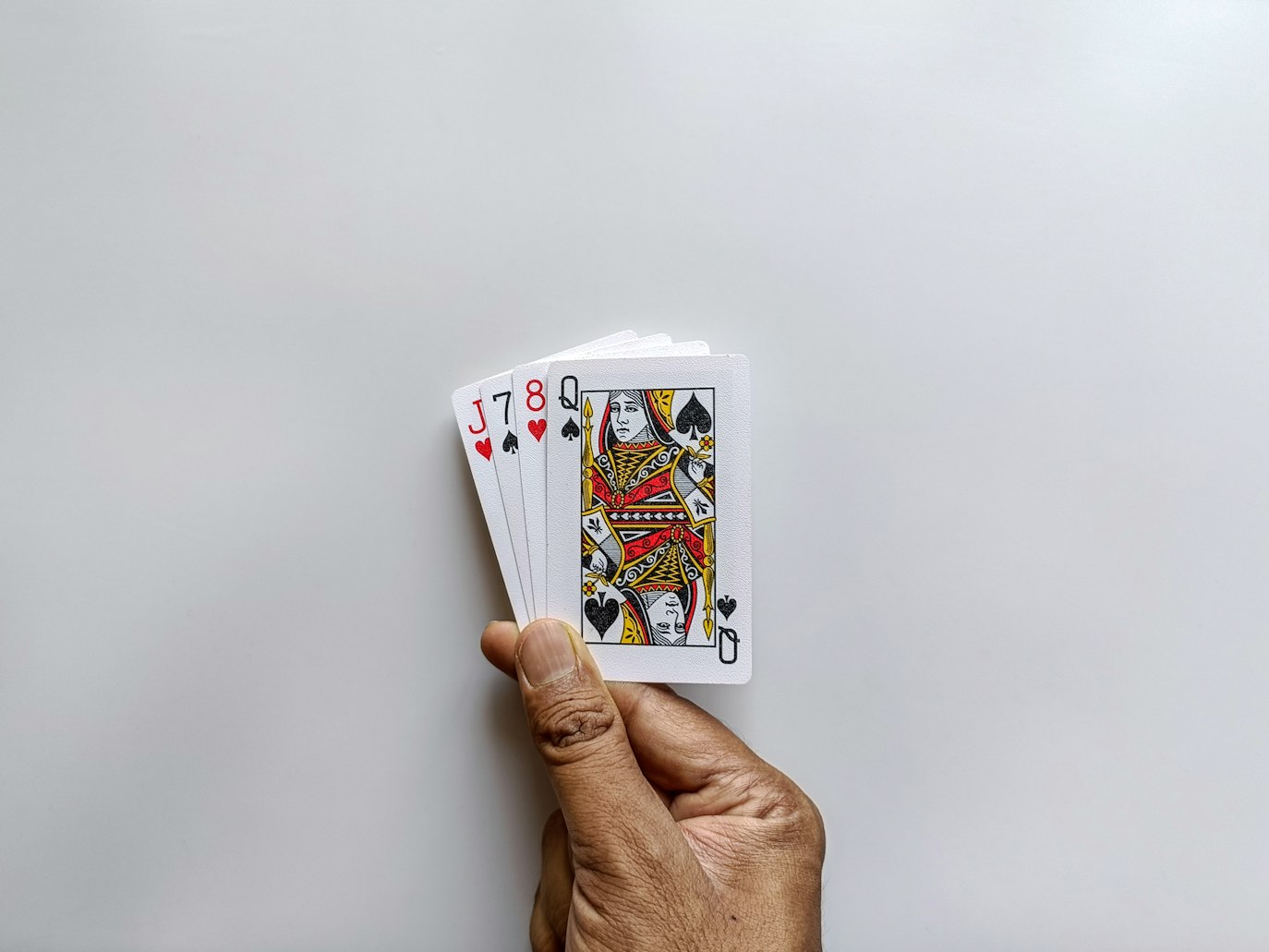
The randomness of games of chance means that, theoretically, everyone has an equal opportunity to win. However, the house edge—the mathematical advantage that the casino has over the players—ensures that luck alone will not guarantee success. Many players may find themselves caught in a cycle of chasing losses, often leading them to wager more in hopes of turning their luck around. Recognizing this cycle can empower players to make better choices and avoid falling into common traps that can lead to financial strain.
Moreover, the excitement generated by games of chance should not overshadow the importance of responsible gaming. Players need to approach these games with awareness and a clear understanding of their financial limits. While chasing the thrill of a big win can be tempting, it’s crucial to remember the random nature of these games. Establishing a budget and recognizing that luck significantly influences outcomes can lead to a more enjoyable and sustainable gambling experience, allowing players to have fun while mitigating risks associated with chance-based games.
Exploring Resources and Support
For those intrigued by the concept of luck in gambling, numerous online resources and support systems can aid players in understanding their gaming habits. Many gambling websites offer educational materials that delve into the intricacies of various games, providing insights into odds, strategies, and responsible gaming practices. Players can benefit from these resources by enhancing their knowledge, helping them make informed decisions when placing bets. This knowledge can empower players to navigate the gambling landscape with greater awareness.
Furthermore, gambling forums and communities can serve as a platform for players to share their experiences and learn from one another. Engaging in discussions about luck, strategies, and personal anecdotes can foster a sense of camaraderie among players. Such interactions can deepen one’s understanding of luck’s role in gambling while promoting responsible gaming and lifestyle choices. Building connections with like-minded individuals can enhance the overall gaming experience.
Ultimately, for players seeking to comprehend the balance between luck and skill in the gambling world, accessing these resources is invaluable. It enables them to cultivate a deeper appreciation for the game and encourages them to approach their gambling activities with awareness and prudence. By understanding the role of luck and employing strategies based on knowledge, players can significantly enhance their gaming experiences while minimizing potential pitfalls associated with gambling.




Recent Comments