
Exploring the psychology of gambling: Why we play
The Allure of Risk and Reward
The thrill of gambling lies in the enticing balance between risk and reward. Many individuals are naturally drawn to the possibility of winning, as the prospect of a significant payout can provoke intense emotions. This desire is rooted in our evolutionary biology; the unpredictability of outcomes can stimulate dopamine release in the brain, creating feelings of excitement and pleasure. For those who enjoy the rush of gaming, pokies online can provide a thrilling experience that keeps them engaged, as this neurochemical response not only reinforces gambling behavior but also compels players to return for more, despite the inherent risks involved. The excitement of potentially winning a jackpot can overshadow the rational assessment of odds and probabilities, leading many to chase the high of a win.
Moreover, the structure of gambling itself, with its varying levels of risk and potential rewards, keeps players engaged. Even small victories can serve as powerful motivators, creating a sense of accomplishment. This phenomenon is often referred to as the “near-miss” effect, where players are encouraged to continue gambling after narrowly missing a payout. Such experiences can be intoxicating, reinforcing their belief that a big win is just around the corner. The anticipation of what might happen next adds a layer of excitement, keeping players on the edge of their seats and fostering a cycle of repeated engagement with gambling activities.
Additionally, the environment in which gambling takes place amplifies these feelings. Bright lights, exhilarating sounds, and vibrant colors create an atmosphere that enhances emotional responses. Casino operators design these spaces meticulously to evoke a sense of excitement and adventure, keeping players engaged longer. The sensory overload can create a euphoric state that distorts time perception, making hours feel like minutes. Consequently, the interplay between the thrill of risk and the allure of reward effectively captures the imagination of many, leading them to participate in gambling activities repeatedly.
The Psychological Drivers Behind Gambling
Gambling can serve multiple psychological needs, often directly linked to an individual’s emotional state. For some, it serves as an escape from daily stressors and life challenges, providing a temporary distraction from reality. Engaging in gambling activities allows individuals to immerse themselves in an alternative world where wins are frequent and excitement is perpetual. This escapism can be particularly alluring for those experiencing anxiety, depression, or feelings of stagnation in their lives. The act of gambling can create a sense of control and excitement that may be lacking in other areas, offering a brief reprieve from overwhelming emotions.
Furthermore, social interaction plays a significant role in the psychology of gambling. Many people enjoy going to casinos or participating in poker games not just for the thrill of potential winnings but also for the camaraderie and shared experiences with friends or fellow gamblers. These social connections can alleviate feelings of loneliness and foster a sense of belonging, making the act of gambling a multi-faceted experience that goes beyond mere financial gain. The social aspect can often enhance the enjoyment of gambling, as players celebrate wins together and share in the emotional highs and lows of the experience.

However, it is essential to understand that these psychological drivers can lead to detrimental consequences if gambling becomes compulsive. The desire for escapism can morph into an unhealthy obsession, where individuals prioritize gambling over other critical aspects of their lives, including relationships and responsibilities. This downward spiral emphasizes the importance of recognizing and addressing the underlying emotional needs that lead individuals to gamble in the first place. Understanding these drivers can provide insights into healthier coping mechanisms and promote more balanced approaches to leisure activities.
Cognitive Biases and Misconceptions
Human cognition is filled with biases that significantly influence gambling behavior. One common cognitive bias is the illusion of control, where individuals believe they can influence the outcome of random events through their actions or choices. This misconception often leads players to make irrational decisions, such as betting larger amounts in the hopes of claiming a jackpot or relying on “lucky” numbers. Such beliefs intensify the gambling experience, as players feel empowered, even when the odds are statistically against them. The feeling of control can be addictive, encouraging players to continue gambling in the hope of achieving a favorable outcome.
Another cognitive distortion prevalent among gamblers is the gambler’s fallacy, which entails the mistaken belief that past outcomes can influence future results in random events. For instance, a player may think that after several losses, a win is “due.” These erroneous beliefs can perpetuate gambling behavior, causing individuals to chase losses in a futile attempt to regain their previous financial standing. Recognizing these cognitive biases is crucial for understanding why many individuals fall prey to detrimental gambling patterns and can serve as a foundation for developing healthier gambling habits.
Additionally, the way gambling is marketed can exacerbate these misconceptions. The portrayal of winners in advertisements often downplays the reality of losing, reinforcing the idea that success is not only attainable but commonplace. This skewed representation can make gambling seem like a more viable option to achieve financial security or personal fulfillment, potentially leading to increased participation and, for some, a dangerous cycle of gambling addiction. Understanding the marketing strategies employed in gambling can help individuals differentiate between reality and the idealized narratives often presented.
The Role of Emotions in Gambling Decisions
Emotions play a fundamental role in the decision-making processes of gamblers. When individuals act on emotions rather than logic, they can make irrational choices that perpetuate gambling behaviors. Excitement and anticipation may drive players to take risks they otherwise wouldn’t consider when thinking rationally. This emotional rollercoaster can create a compelling narrative around the act of gambling, where the thrill of the moment overshadows the potential consequences. The highs can feel euphoric, while the lows can bring about feelings of despair, making it difficult for individuals to step back and evaluate their gambling habits.
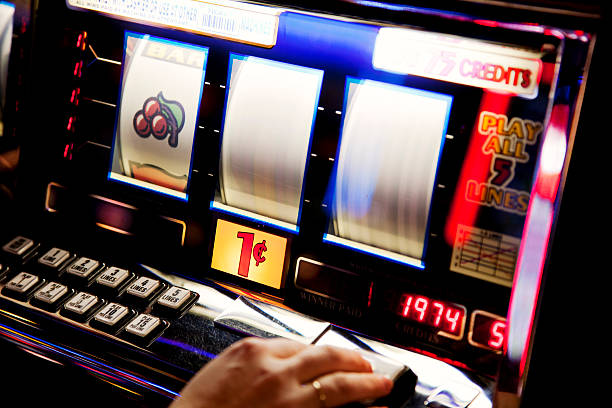
Furthermore, emotional highs experienced during wins can lead to a desire for more of those euphoric feelings. The connection between emotions and gambling can create a cycle where players return to gambling more frequently to replicate those highs. Unfortunately, the opposite can also be true. Losses can lead to feelings of frustration or anger, causing individuals to bet even more in a misguided attempt to recuperate losses. These emotional responses highlight how easily gambling can become an unhealthy coping mechanism, where the desire to escape negative emotions leads to increased gambling activity.
Ultimately, understanding the role of emotions in gambling decisions is vital for developing healthier gambling habits. Recognizing emotional triggers can empower individuals to make more informed choices, allowing them to break the cycle of compulsive behavior. By focusing on emotional awareness, players can learn to navigate their gambling experiences more effectively, promoting a healthier relationship with such activities. This awareness helps in balancing the enjoyment of gambling with the need for responsibility and self-control.
Understanding Responsible Gambling
Responsible gambling is an essential concept that aims to promote healthy behavior among players. It encompasses a range of practices designed to mitigate the risks associated with gambling, advocating for self-awareness, moderation, and informed decision-making. Education is a key component of responsible gambling initiatives, empowering players with the information they need to understand the odds, recognize their limits, and maintain control over their gambling activities. This proactive approach encourages individuals to view gambling as a form of entertainment rather than a means of financial gain.
In addition to education, many organizations and websites provide support resources for individuals struggling with gambling-related issues. These resources can include self-exclusion programs, counseling services, and hotlines for individuals seeking help. Such initiatives are crucial in ensuring that gamblers have access to the support they need to address compulsive behavior and develop healthier approaches to gambling. Providing these resources fosters a community around responsible gambling, where individuals can seek help without stigma.
Fostering a culture of responsible gambling requires collaboration among stakeholders, including operators, regulators, and players. By encouraging open conversations about gambling habits and emphasizing the importance of moderation, responsible gambling can become an integral part of the gambling experience. This shift in perspective can help ensure that individuals can enjoy gambling as a form of entertainment without jeopardizing their overall well-being. Promoting responsible gambling practices is essential for creating a safe and enjoyable environment for all participants.




Recent Comments